
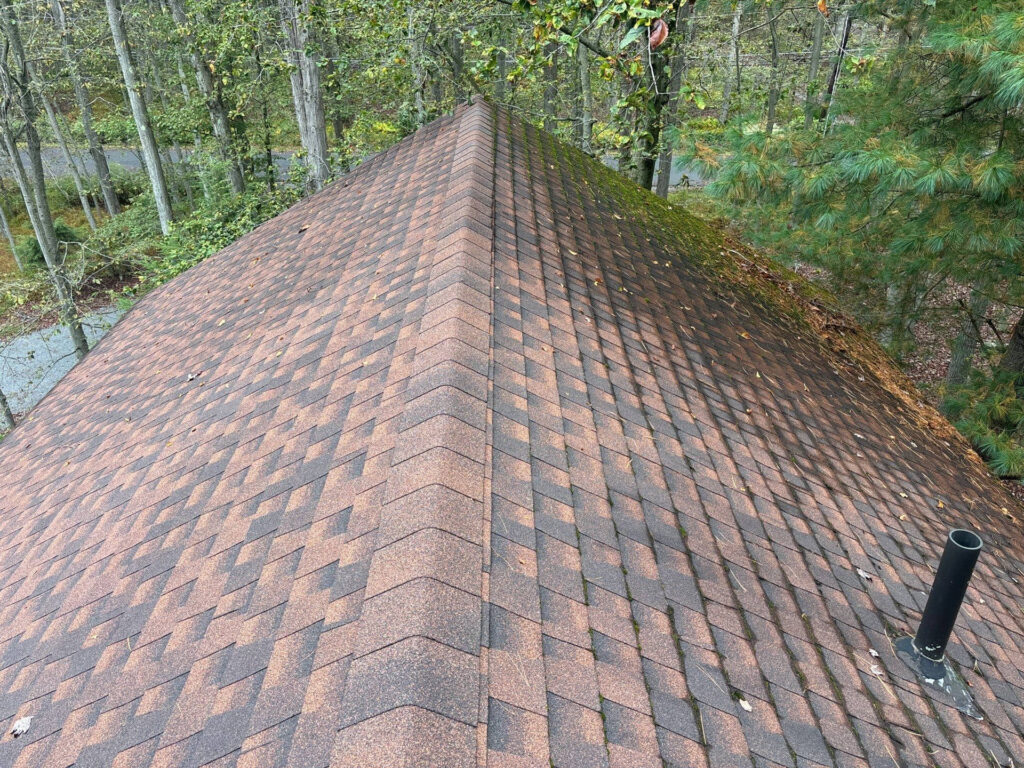
You are not alone if you are looking up how to know if you need a roof replacement. In Stroudsburg and across the Poconos, your roof deals with snow loads, ice, heavy rain, and hail. It is natural to wonder whether you can get a few more years out of it or if waiting will simply make the final bill bigger.
The goal of this guide is simple: give you clear, local, non‑alarmist criteria so you can decide whether to call a roofer about repairs, a full replacement, or just a routine inspection.
TL;DR: Quick checklist for Stroudsburg homeowners
If you only have a minute, ask yourself these questions:
- Is your roof at or past its typical lifespan for Pennsylvania, or at least 20 years old? (Owens Corning)
- Do you see widespread curling, cupping, bald spots, or cracked shingles over more than about one‑third of the roof surface? (American Home Shield)
- Have you had recurring leaks, ceiling stains, or signs of moisture or mold in the attic after rain or snow melt? (Owens Corning)
- Has hail, wind, or ice damaged large areas of the roof, not just a few shingles? (Owens Corning)
- Are neighbors with homes built around the same time all starting to replace their roofs? (Owens Corning)
If you are answering “yes” to several of these, it may be time to seriously evaluate a full replacement. If most of your answers are “no,” targeted repair might still be the better move. For a deeper comparison, it can help to review roof repair vs roof replacement.
Understand roof lifespan in the Poconos
Age is not the only factor in how to know if you need a roof replacement, but it is one of the most reliable starting points.
In Pennsylvania, roofs wear differently than in milder climates. You deal with freeze‑thaw cycles, wet snow, ice dams, and strong summer storms. These conditions shorten the real‑world lifespan of many roofing materials compared with what the brochure promises.
Typical ranges in our region often look like this:
- Standard asphalt shingles: often 18 to 25 years in practice
- Architectural asphalt shingles: roughly 22 to 30 years
- Metal roofing: 40 years and beyond with proper installation
- Cedar or other wood products: very dependent on maintenance and shade
If your roof is approaching or has exceeded the upper end of its typical life, you should start planning. A key sign that you need a roof replacement is simply that the roof has outlived its intended service life, because older roofs tend to need recurring repairs and can become far more expensive to keep patching than to replace (CB Chandler Roofing).
For a closer look at how age, material, and local climate interact, especially in Monroe County and neighboring counties, you can refer to roof age and lifespan in pennsylvania.
Look for visible warning signs on the roof
When you stand back from your home in Stroudsburg or any Pocono neighborhood, the roof should look flat, consistent, and intact. Certain visible changes are early signals that you may be headed toward replacement.
Shingle aging you should not ignore
Manufacturers like Owens Corning outline several surface signs that your roof covering is nearing the end of its life:
- Shingle edges curling or tabs cupping
- Bald spots where granules are missing
- Cracked or split shingles across broad sections of the roof (Owens Corning)
Another red flag is when you see lots of shingle granules accumulating in your gutters or at the bottom of downspouts. Those granules are not cosmetic, they protect the asphalt from UV damage and weathering. Their loss is often described as “age spots” and is a clear indicator of vulnerability to future storms (Owens Corning).
If these types of defects cover isolated patches, repairs may still make sense. If they are widespread, especially on a roof that is at least 20 years old, replacement usually becomes the more realistic choice (Owens Corning).
Moss, algae, and debris buildup
You may notice moss patches, algae streaks, or piles of leaves that never seem to dry. Moss and organic debris can trap moisture and allow it to seep into the wooden structure under your shingles. Over time, that moisture can lead to mold, decay, and even structural damage, which is a serious warning sign that a roof needs significant maintenance or possibly full replacement (American Home Shield).
In the Poconos, shaded north‑facing roofs and homes surrounded by trees are especially vulnerable. Cleaning and treatment can slow deterioration if you address it early. If it has been left alone for years, the damage underneath may be more extensive.
Damaged or missing shingles and flashings
Any single storm can pop a few shingles off or dent flashing. On its own, that is usually a repair. However, patterns matter:
- Frequent shingle loss after each wind or hail event
- Widespread cracking across many shingles
- Damaged or corroded flashings around chimneys, dormers, or vent pipes that are letting water in (American Home Shield)
When more than about one‑third of your shingles are curling, warping, or buckling, many professionals consider that a strong indicator that the roof integrity is compromised and water can more easily find paths inside (American Home Shield).
If you are in a cold part of the Poconos with longer snow cover, it is also wise to review signs of roof failure in cold climates, since ice and snow stress can accelerate many of these surface issues.
Check for leaks, stains, and hidden water damage
You do not need to climb on the roof to detect some of the most important signs of trouble. Your ceilings, attic, and walls will often tell you more than the shingles themselves.
Interior signs that point to roof trouble
Look for the following after heavy rain, melting snow, or ice events:
- New water stains on ceilings or upper walls
- Peeling paint, bubbling drywall, or sagging areas
- Damp insulation or visible water stains on attic rafters
- Moldy odors or visible mold growth in upper rooms or attic
Water leaks and stains inside a home often result from failing roof waterproofing, whether from age, storm damage, or both. Observing these issues, especially when attic inspections after rain or snow reveal water intrusion, is a critical sign that your roof needs repair or replacement (Owens Corning and American Home Shield).
The key question becomes scale. One small, easy‑to‑trace leak near a vent pipe may be a straightforward repair. Multiple stains, recurring damp areas, or widespread attic moisture usually signal that water is entering in more than one place and that the roofing system is failing more broadly.
Why hidden deck damage matters
One reason contractors sometimes recommend a full replacement, even when surface damage looks modest, is that water can cause severe damage underneath the shingles before you see it. Water damage to roof decking is often not obvious until the shingles are removed. Once moisture saturates the wood, deterioration can progress quickly and may require more extensive structural replacement, which shifts the cost and scope toward full reroofing (Central Roofing LLC).
If a professional inspection reveals soft spots, rotted deck sections, or repeated patches, replacement is usually the safer and more cost‑effective long‑term solution.
Factor in Pocono weather and storm damage
Living in Stroudsburg and the broader Pocono region means your roof takes repeated hits from hail, gusty thunderstorms, nor’easters, and freeze‑thaw cycles. Not all damage is obvious from the ground, and not all storm marks require a full replacement.
Normal wear versus storm damage
Over time, shingles naturally lose some granules and fade. After a serious storm, you may see:
- Divots, cracks, or missing granules from hail impact
- Shingles split beneath the surface
- Shingles creased by wind uplift or blown off completely
When hail or high winds strip granules, crack shingles, or blow them off, the roof’s waterproof seal can be compromised and that can justify a replacement rather than spot repairs in many situations (Owens Corning). On the other hand, light cosmetic wear without functional damage may not.
To better understand how local weather patterns interact with aging roofs, you can refer to storm damage vs normal roof wear.
Ice dams and winter issues
Ice damming is a recurring issue in parts of the Poconos. When snow on the warm upper roof melts then refreezes at the colder edge, ice ridges form and can cause water to back up under shingles. If this water enters your home, it can indicate ventilation or insulation issues and possible shingle or underlayment failure. Persistent ice dam damage may signal that you need both roof work and attic system improvements (Owens Corning).
In borderline cases, improving ventilation and insulation plus targeted repairs may be enough. In more advanced cases, replacement with upgraded underlayments and ice‑and‑water protection can prevent repeat problems.
When repair is enough versus when replacement is smarter
Not every problem means you must replace the entire roof. However, there is a point where continued patching becomes false economy.
Situations where repair often makes sense:
- The roof is under 15 to 18 years old and otherwise in decent condition
- Damage is confined to one area, such as a localized wind blow‑off
- Leaks are traced to flashing or a single penetration point
- Decking is solid and no widespread moisture damage is found
Situations where replacement is usually more realistic:
- The roof is at or beyond its expected lifespan in Pennsylvania
- More than one‑third of shingles show curling, cracking, or bald spots
- You have recurring leaks in multiple areas despite prior repairs
- There is significant water damage to the decking under the shingles (Central Roofing LLC)
- Moss, algae, and moisture have been sitting on the roof for years
- Many neighbors with similar‑age homes are replacing their roofs (Owens Corning)
It is true that repair work generally costs less upfront. However, multiple or extensive repairs can eventually cost more than a full replacement, especially when you factor in the risk of interior damage and the peace of mind a new roof provides (Owens Corning). If you are still weighing options, a focused review of roof repair vs roof replacement can help organize your thinking.
Understand cost, insurance, and contractor evaluations
Part of knowing whether you really need a roof replacement is understanding how the financial side forces your decision.
Why multiple, detailed quotes matter
Before deciding on a roof replacement contractor, you should obtain multiple quotes and be cautious of estimates that are much lower than the others. A bargain price can sometimes indicate lack of insurance, poor materials, or shortcuts that will cost you more later (Central Roofing LLC).
Equally important is the scope of inspection behind the quote. A full assessment of roofing damage, not just a quick glance from the driveway, is essential to determine accurately whether a roof replacement is required, especially since hidden water damage in the decking can change the plan significantly (Central Roofing LLC).
For context on typical budgets in this area, you can consult the cost of roof replacement in stroudsburg pa so you enter contractor conversations with realistic expectations.
Insurance realities for older roofs
Some homeowners hope that if a storm knocks off a few shingles on a 25‑year‑old roof, insurance will cover a full replacement. Occasionally, that happens. However, policy details matter. In one shared example, only 25 percent of the replacement cost of a 25‑year‑old roof was covered, and after accounting for a 2,000 dollar deductible on a 10,000 dollar roof, the insurer effectively paid only about 500 dollars (Reddit).
The lesson is not that insurance is useless, but that you should understand your coverage, especially actual cash value versus replacement cost, before assuming a storm will deliver a free new roof. Some owners even choose to delay replacement, despite evident wear, because of these financial tradeoffs (Reddit).
If you believe storm events, hail, or wind played a role in your roof condition, it is worth reviewing how an insurance claim for roof replacement typically works so you do not leave money on the table or misunderstand your options.
Use inspections and maintenance to buy time or confirm the need
Perhaps the most practical way to know if you need a roof replacement is to combine what you see with a structured inspection and ongoing maintenance.
Annual professional roof inspections are recommended by many experts, since certified inspectors can detect problems that homeowners might miss and can help you make timely repairs that prevent more expensive failures later (Superstorm Restoration). In some markets, companies even offer free drone inspections that give a thorough and efficient view of roof health without anyone setting foot on your shingles (Superstorm Restoration).
Routine steps such as:
- Seasonal roof condition checks from the ground
- Clearing gutters so water can flow properly
- Inspecting after major storms for missing shingles or debris accumulation
can reveal early warning signs of deterioration that, if addressed promptly, allow you to extend the useful life of your current roof (Superstorm Restoration).
If you are unsure what an inspection will actually involve, you can review what happens during a roof inspection so you know what to expect and which questions to ask.
A practical rule of thumb: the earlier you involve a qualified inspector, the more choice you retain between low‑cost repairs and higher‑cost replacement.
If you do need a replacement, plan it on your terms
Once it becomes clear that replacement is the right choice, your leverage lies in planning, not waiting for an emergency.
Owens Corning recommends scheduling a professional roofing contractor inspection promptly once you notice aging, storm damage, or leaks, because the sooner you act, the more options you have regarding timing and materials (Owens Corning). Warning signs that strongly suggest you should start that planning process include:
- A roof that is at least 20 years old and looks old and worn
- Multiple cracked, curled, or missing shingles
- Repeated leaks or interior stains even after repairs
- Neighbors in similar homes getting new roofs in the same timeframe (Owens Corning)
From there, the next practical questions are scheduling and logistics. It can help to understand the typical roof replacement timeline in pennsylvania and how to start preparing your home for roof replacement so the project goes smoothly and disrupts your daily life as little as possible.
Bringing it together for Stroudsburg homeowners
There is no single, universal moment when every roof “must” be replaced, and even experts acknowledge that judgment is involved (Reddit). However, you can make a confident, informed decision by focusing on a combination of factors:
- Roof age relative to typical Pennsylvania lifespans
- Visible shingle and flashing condition across the entire surface
- Evidence of leaks, stains, or attic moisture
- Impact of local storms, hail, wind, and ice dams
- Cost trends of repeated repairs versus one‑time replacement
- Clear findings from a thorough, professional inspection
If you pay attention to these elements and treat each inspection or minor repair as data, you will know when your current roof still has years left and when replacement in Stroudsburg or elsewhere in the Poconos is the smarter, more economical move.